About Us

Building shared foundations for peace.

Most peace organisations focus on one issue, region, or approach. IGP steps back to ask: what would it take for all of these efforts to add up? We develop shared frameworks with practitioners and researchers, and help embed them in existing strategies.

Blueprint technical drawing of an alignment axis
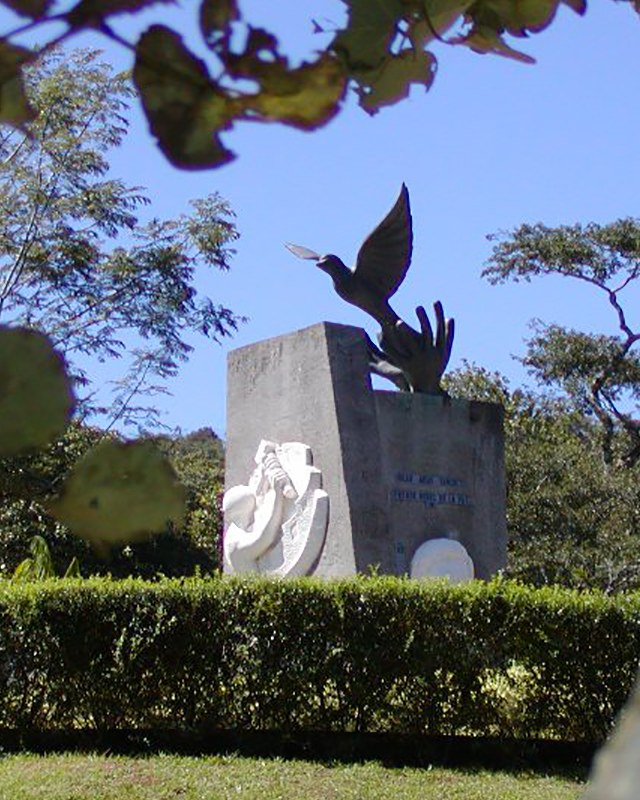
The peace dove monument at the University for Peace, Costa Rica, where the Institute's foundational research began.

Our story

The Institute began in 2017 as a research collaboration among graduates of the UN-mandated University for Peace, founded on a single insight: the field still lacks a shared operational definition of peace that diverse approaches can build on together.

Today IGP is an independent nonprofit with UN consultative status and advisory relationships with the world's largest peace networks. Our work is organised into three categories:

  1. Develop a structurally grounded, cross-tradition definition of peace.
  2. Develop an operational framework that can inform more coordinated peacebuilding strategy.
  3. Bring together diverse peace actors to align their efforts with a coherent blueprint.

The field already has excellent organisations producing data, measurement, field operations, and advocacy. What is missing is a shared operational framework that connects these efforts and translates conceptual foundations into coordinated strategy and investment.

Founding Director

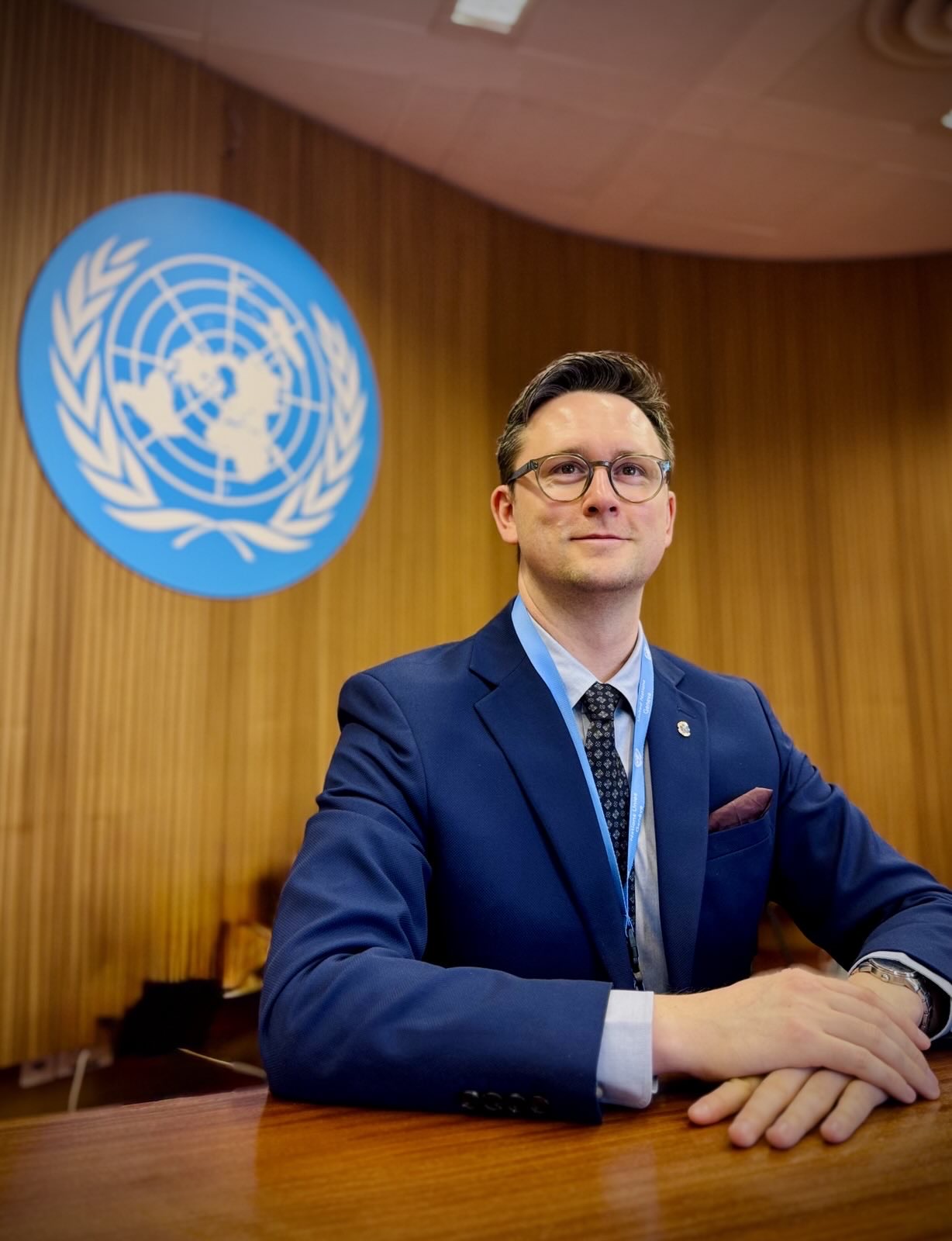
Anders Reagan, Founding Director of the Institute for Global Peacecraft, photographed at the United Nations

Anders Reagan

Anders Reagan founded the Institute after recognising that the peace field lacked a shared operational definition that could bridge its diverse approaches. His career spans both academic theory and field practice. He has worked with grassroots organisations in Mexico, Geneva, and Sweden, and has studied peace conceptualisations across philosophical traditions.

He holds a BA in Philosophy and a BA in International Relations from Stockholm University, an MA in Human Rights from Uppsala University, and an MA in International Peace Studies from the UN-mandated University for Peace. His peer-reviewed publication "Reframing the Ontology of Peace Studies" (Peace and Conflict Studies, Vol. 29, No. 2, 2023) introduced the structural framework that underpins the Institute's work.

Working with leading peace networks.

IGP works with public forums and advisory networks, helping established peace actors sharpen their coordination, definitions, and strategy.

United Nations

ECOSOC consultative status

IGP holds special consultative status with ECOSOC and contributes to debates and dialogue at the Human Rights Council in Geneva, including published UN statements.

Advisory

Alliance for Peacebuilding

One of the world's largest peacebuilding networks, with over 130 member organisations. IGP advises on how a shared framework can strengthen coordination across the sector.

Advisory

International Peace Bureau

Founded in 1891, one of the world's longest-established peace networks. IGP supports work connecting shared definitions to strategy and coalition coordination.

Our Values

Definitional rigour
Shared definitions help the field coordinate and measure progress.
Applied impact
Our research and advisory outputs are designed to inform funding, policy, and coordination decisions.
Intellectual honesty
We welcome challenge because it strengthens the shared foundations we are working to build.
Collective coherence
We do not duplicate existing peace work. We develop shared reference points that show how contributions connect and where gaps remain.

Read the work.

The Institute's contribution is a framework for defining peace clearly enough to fund and build it. Read how it's structured, or open a conversation directly.